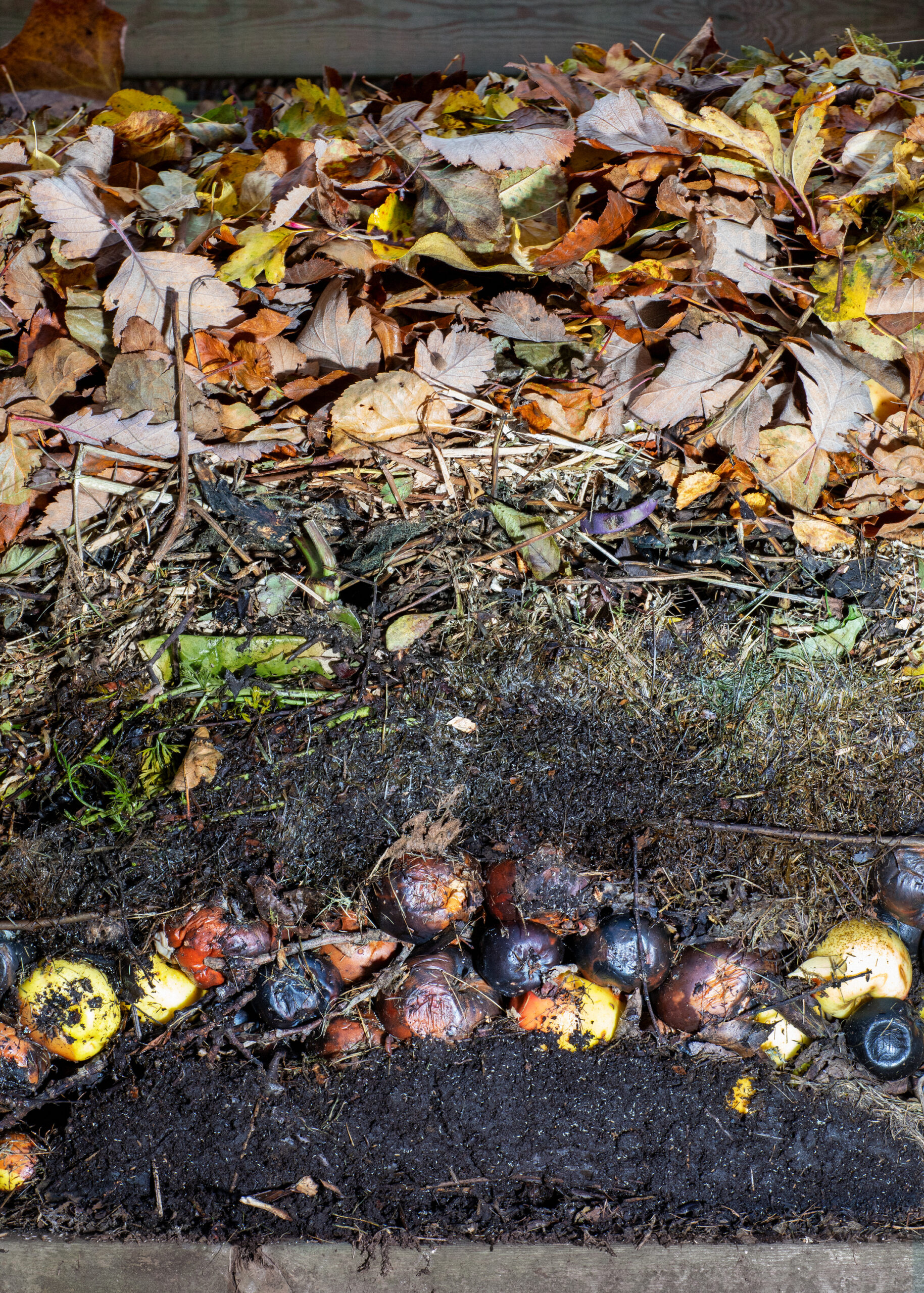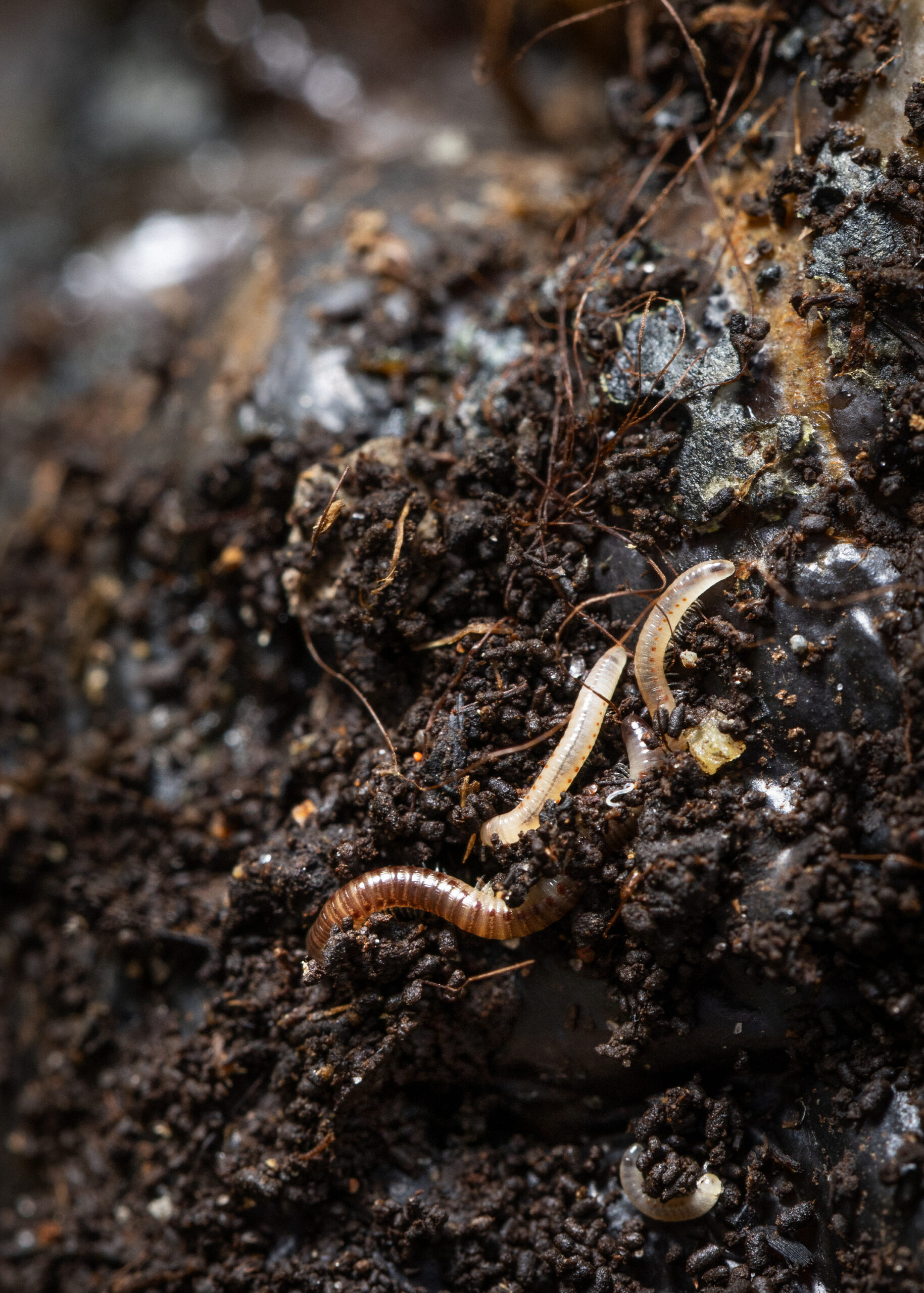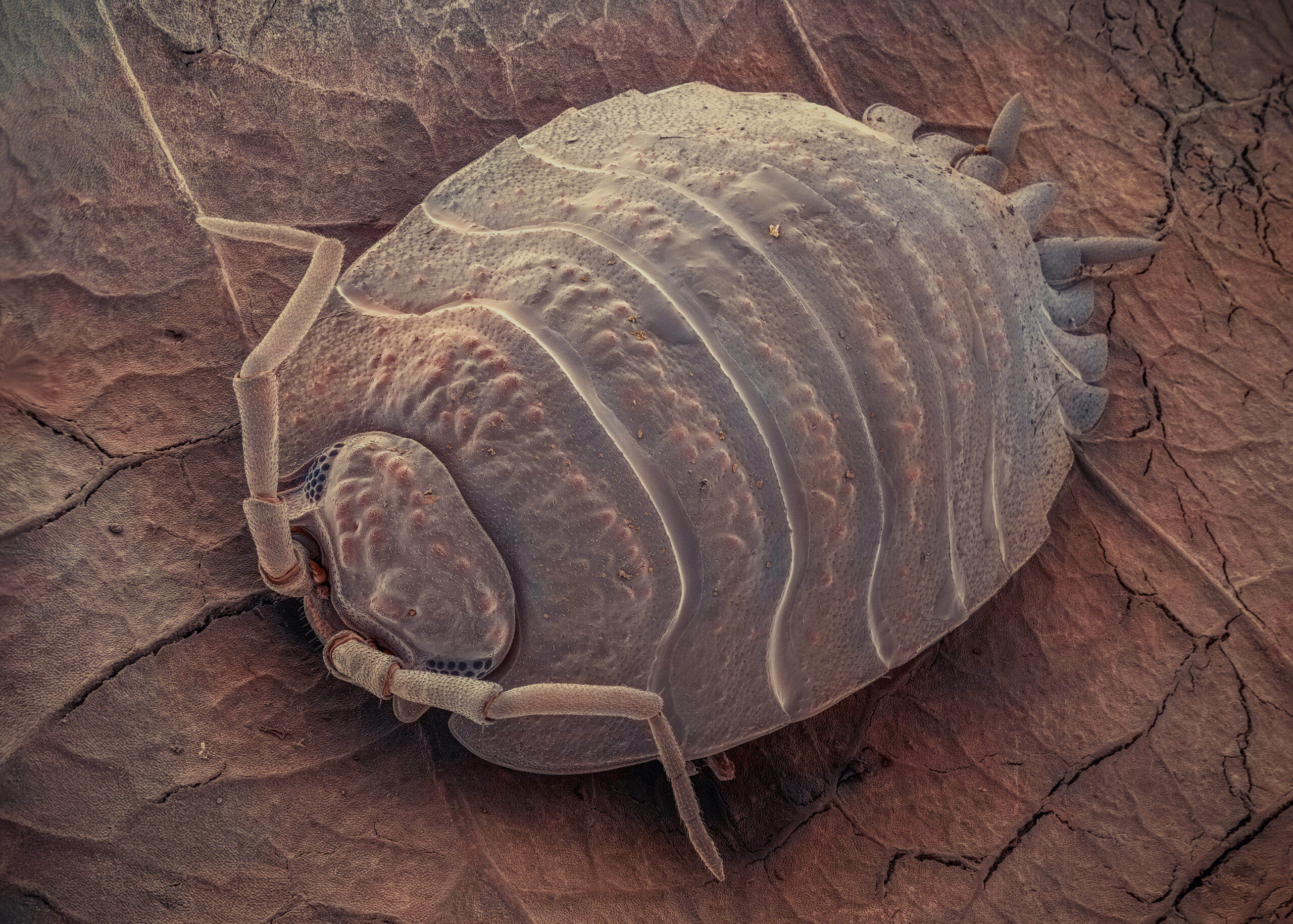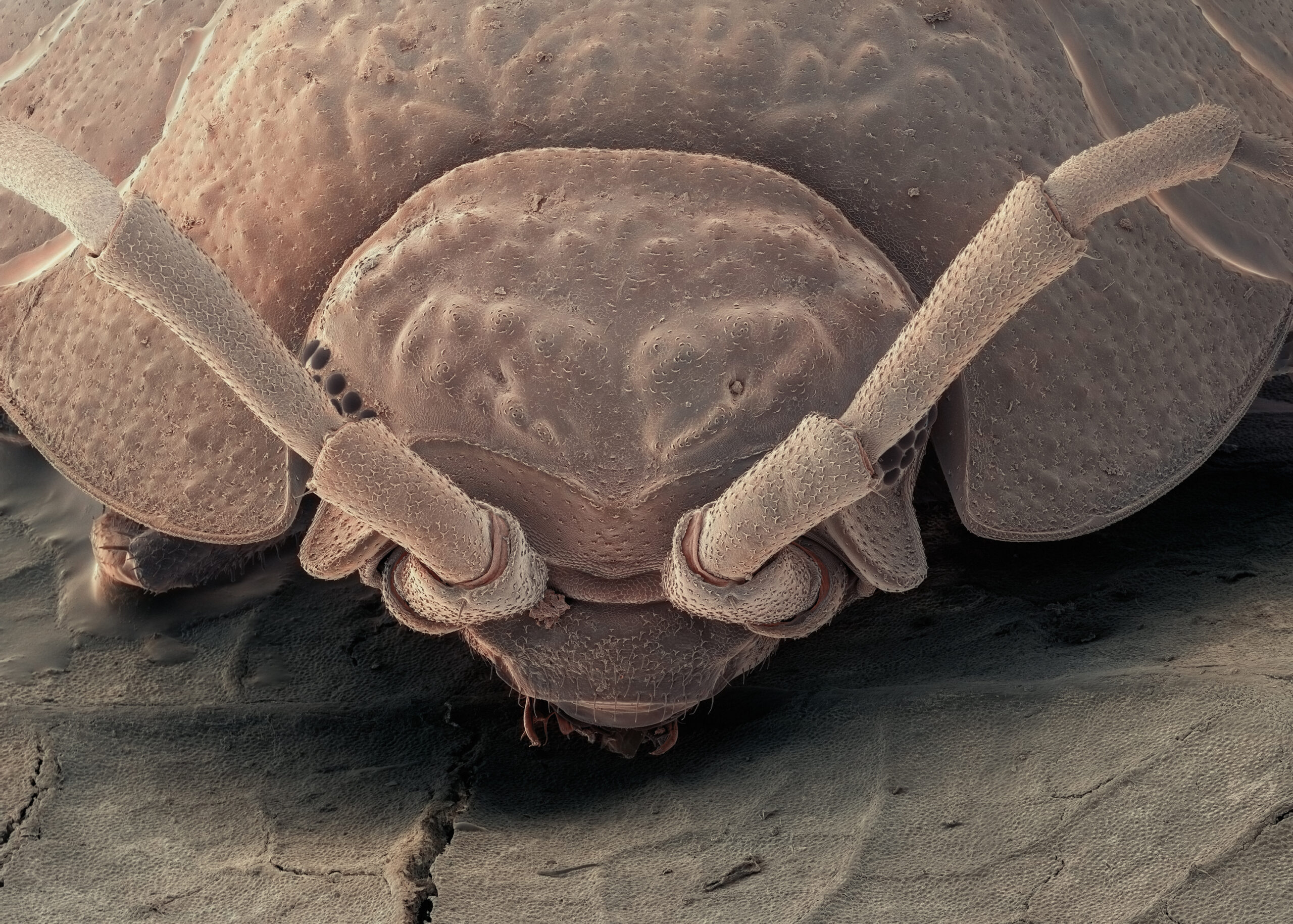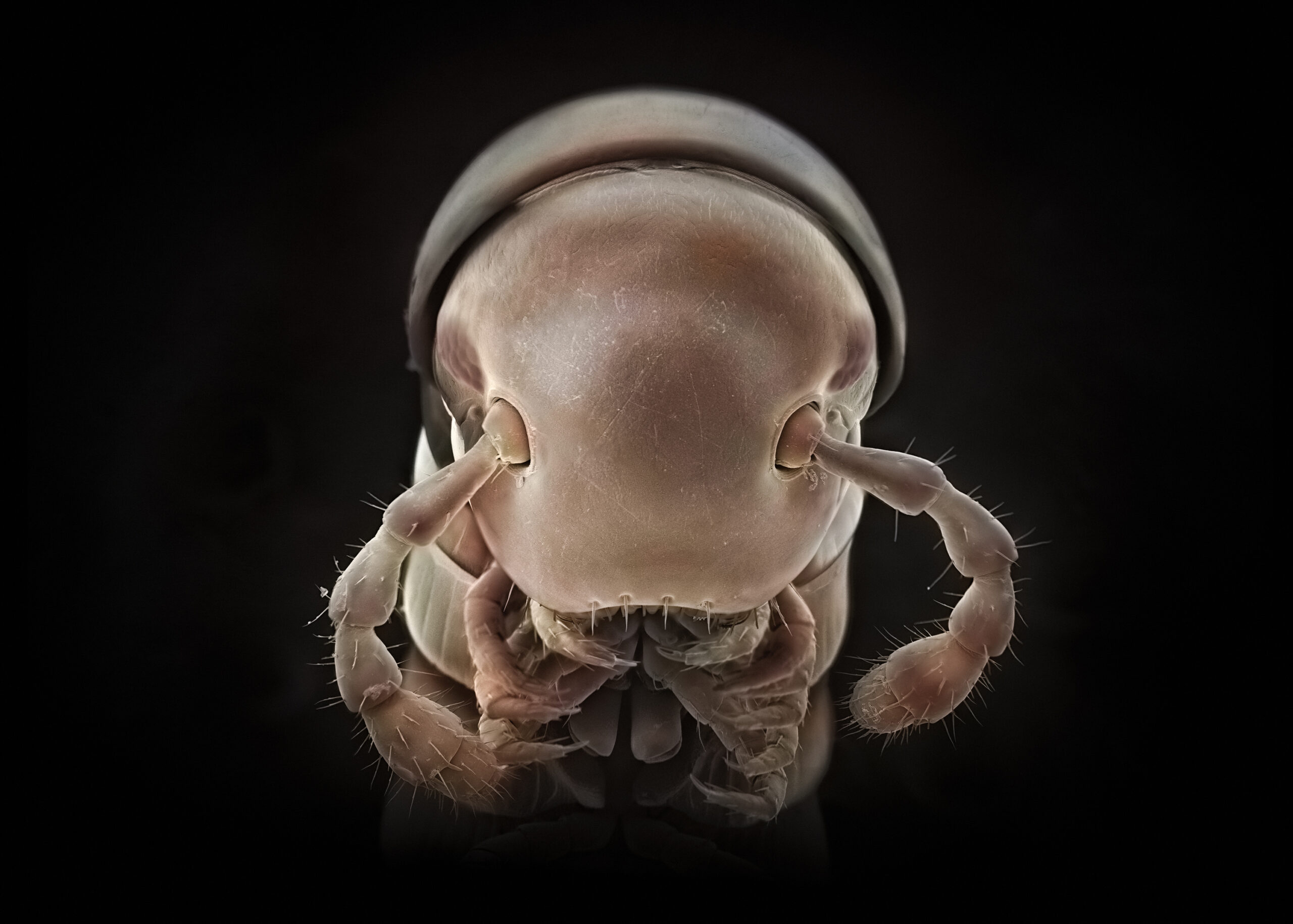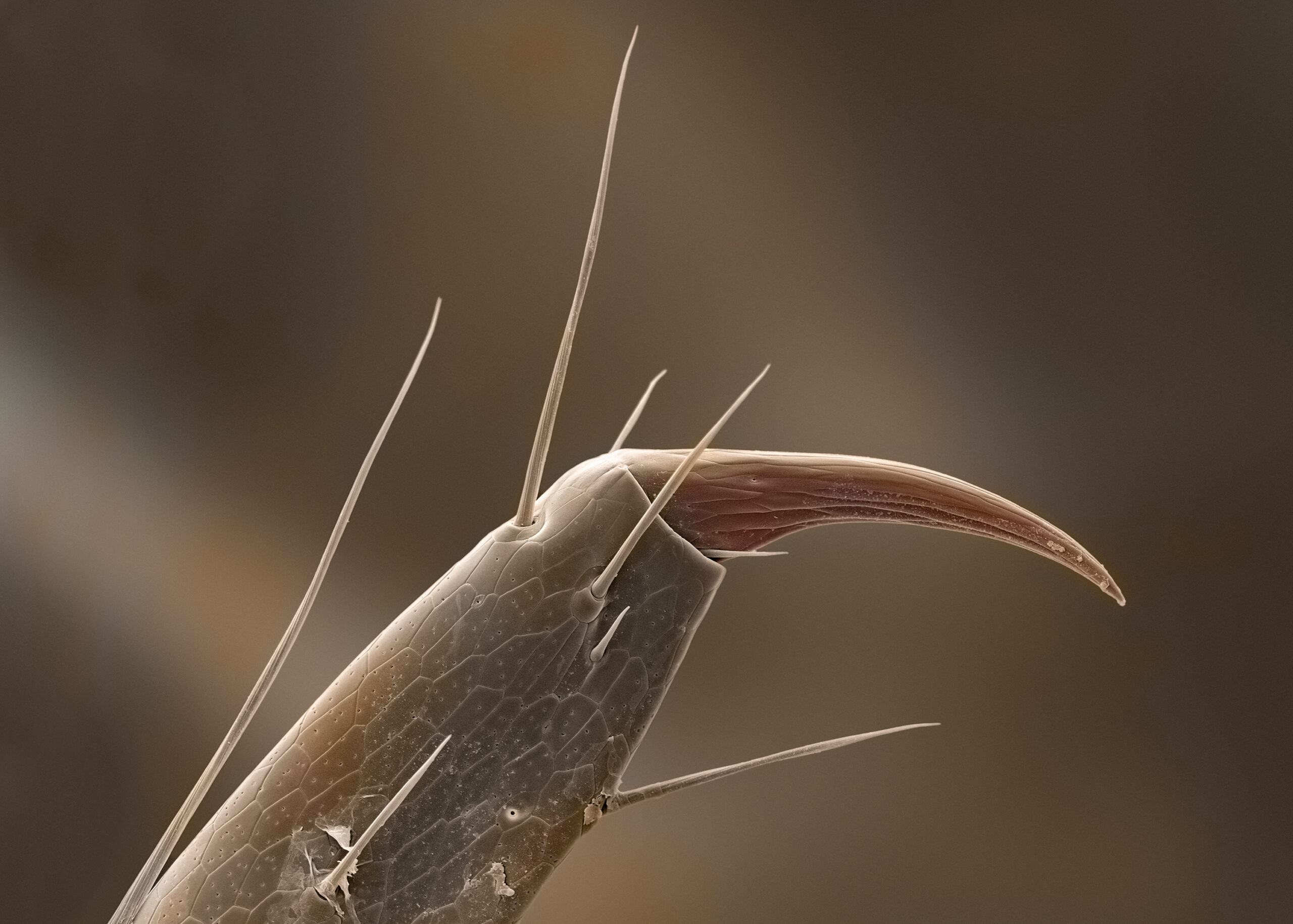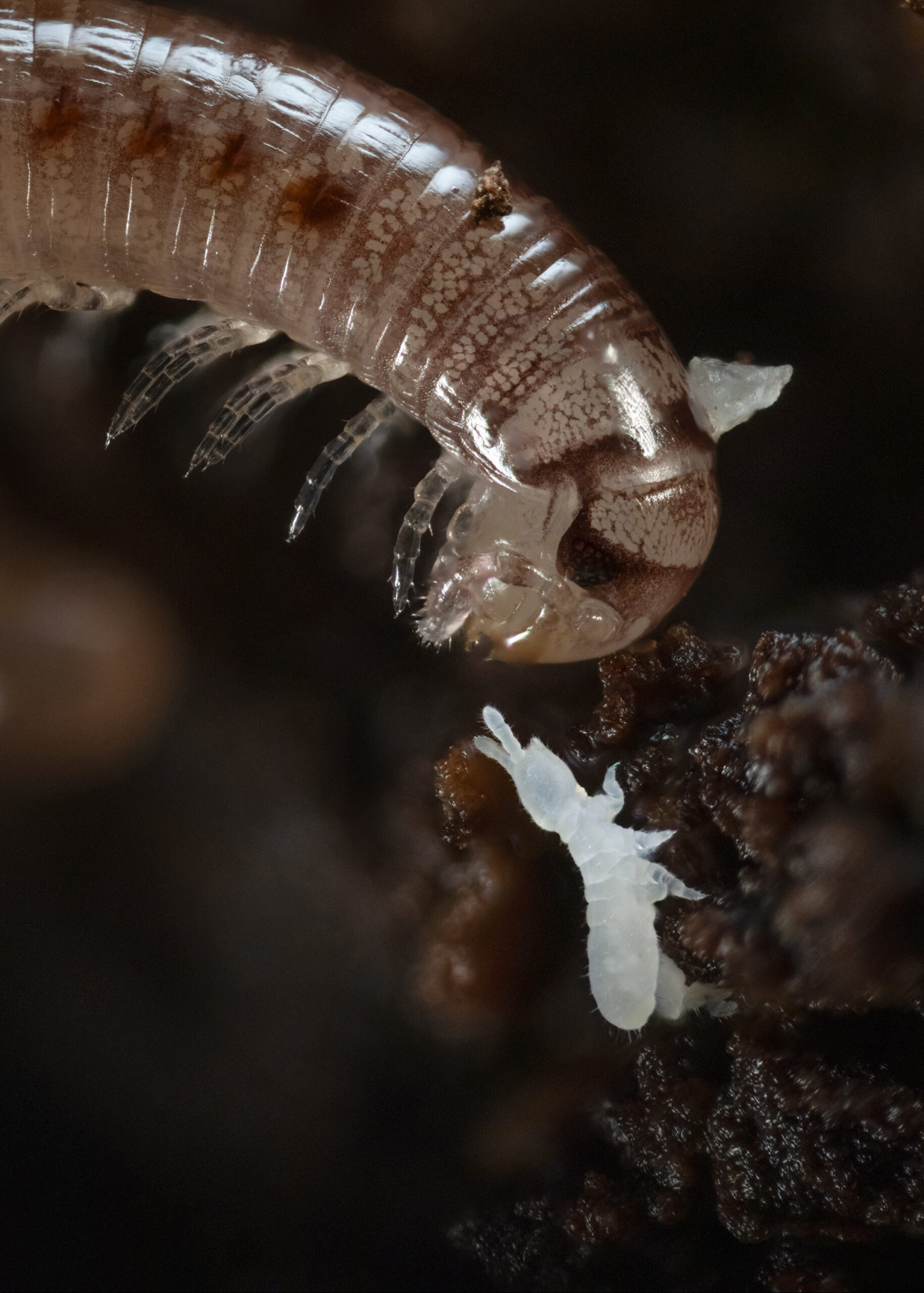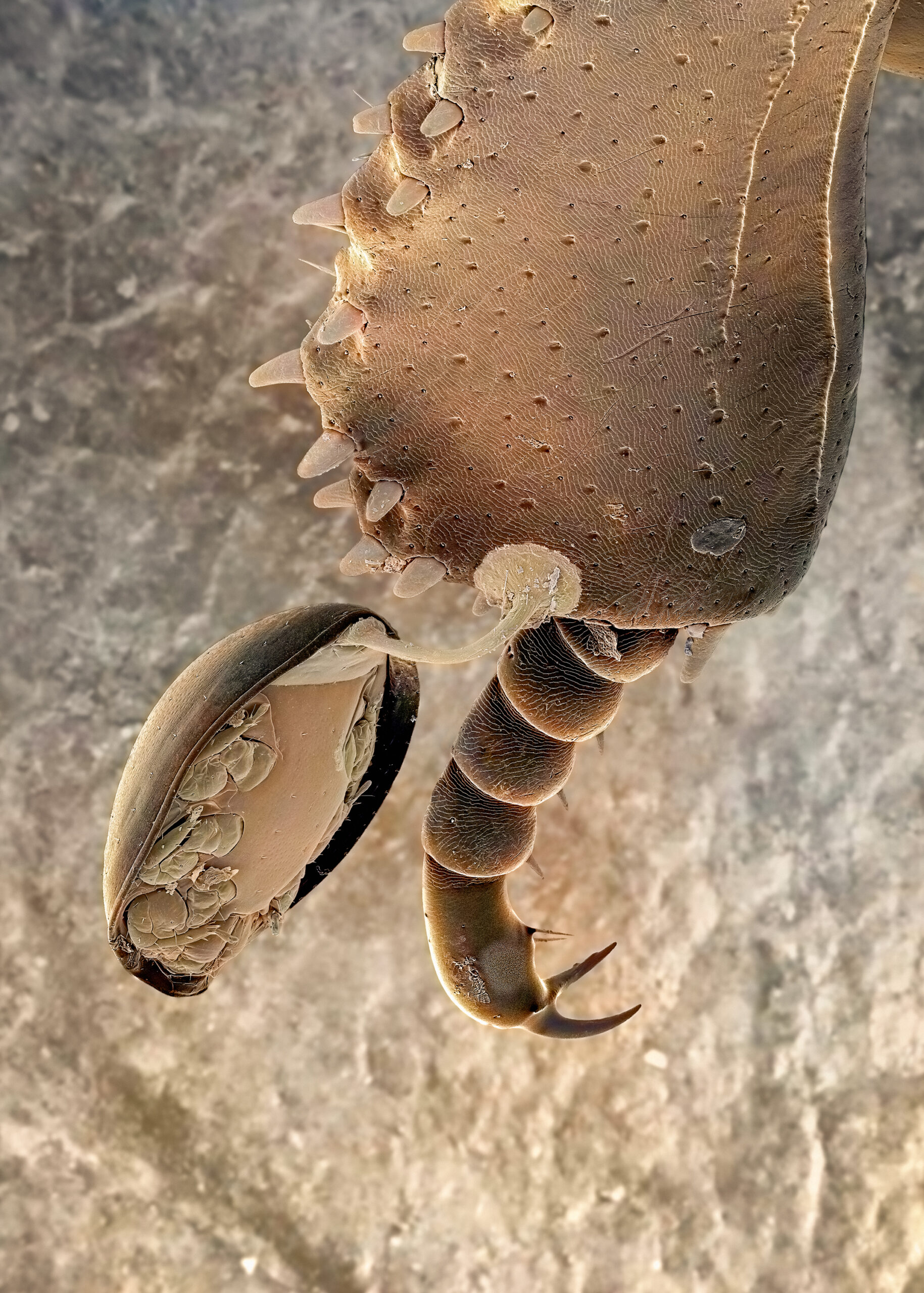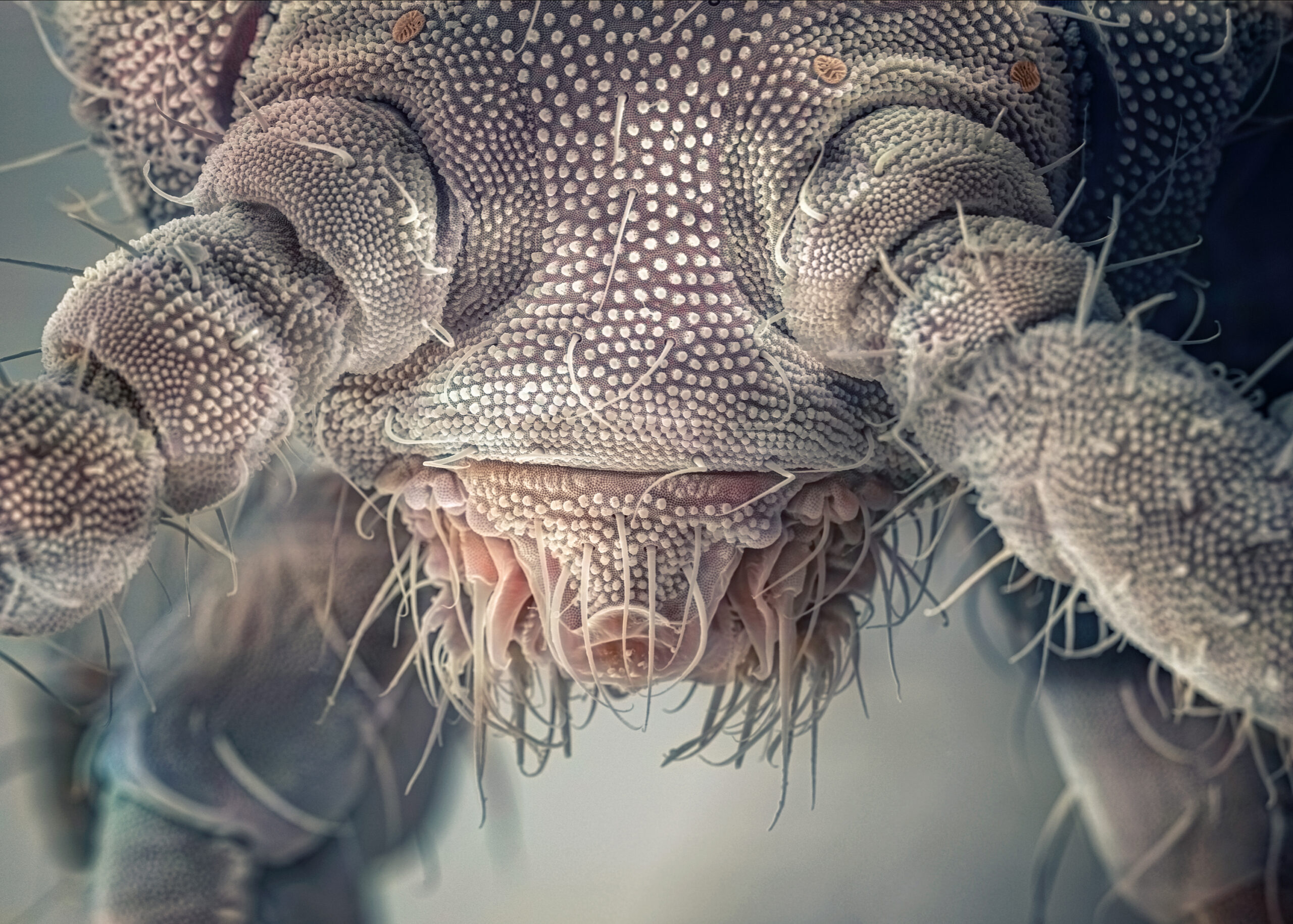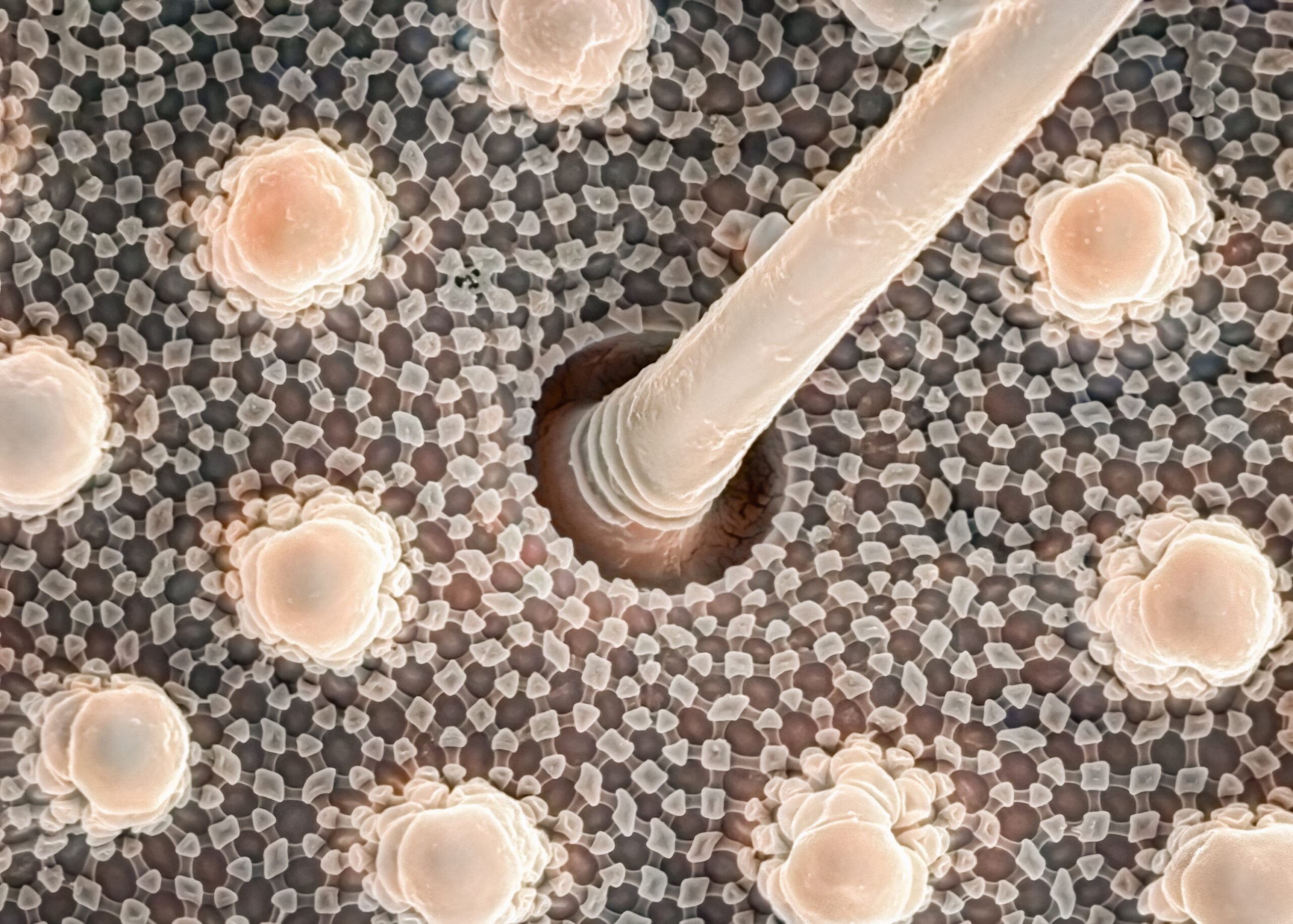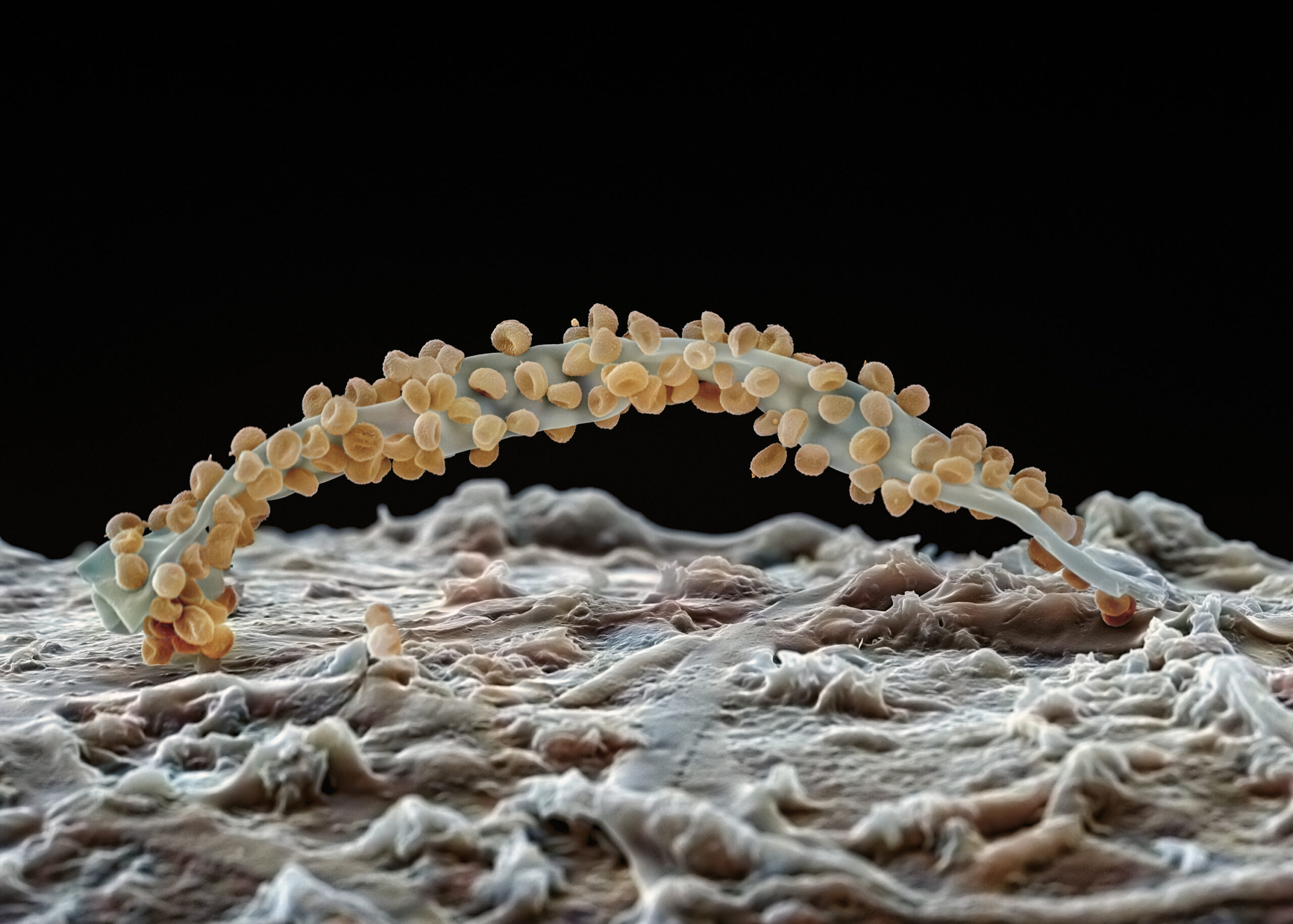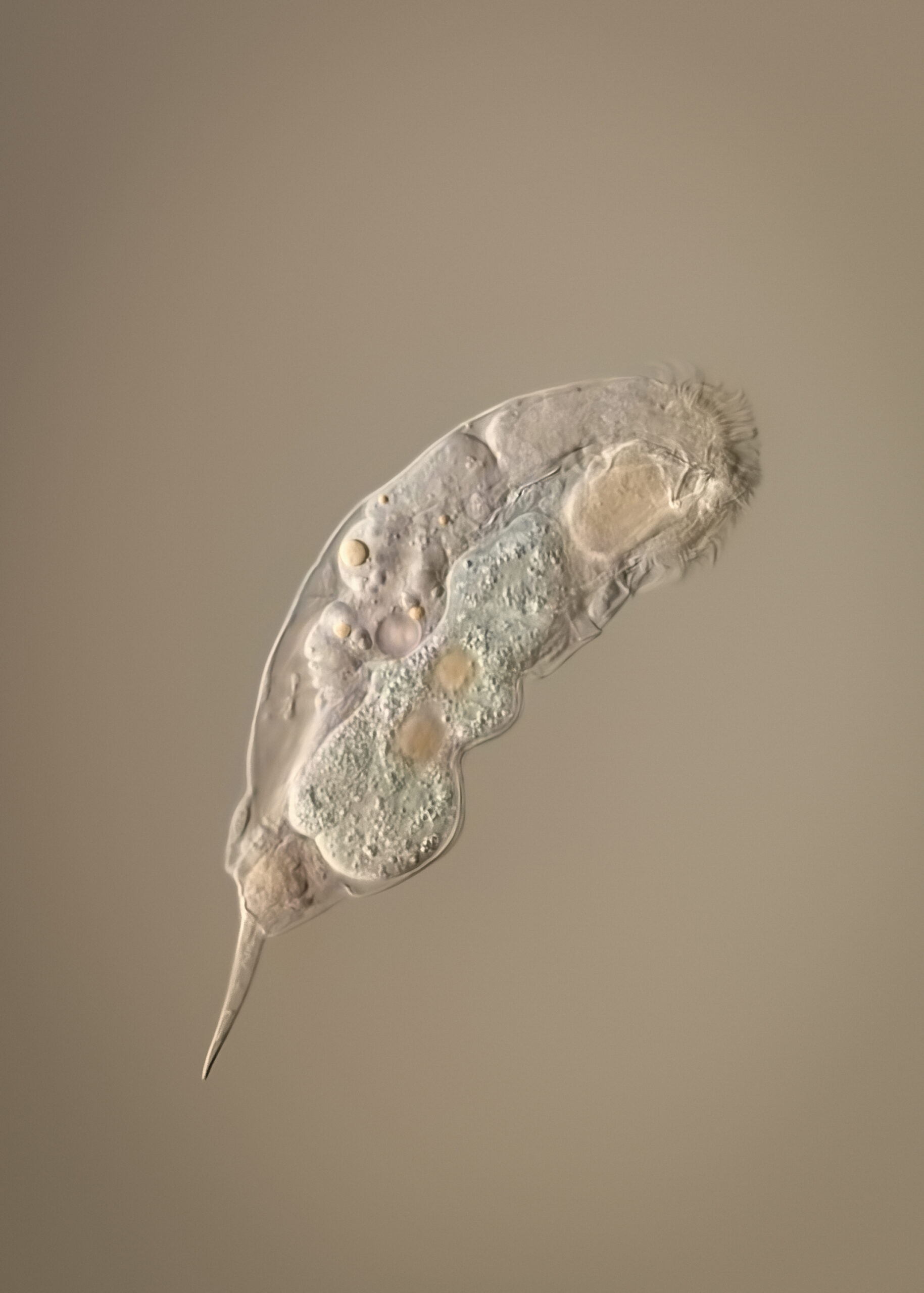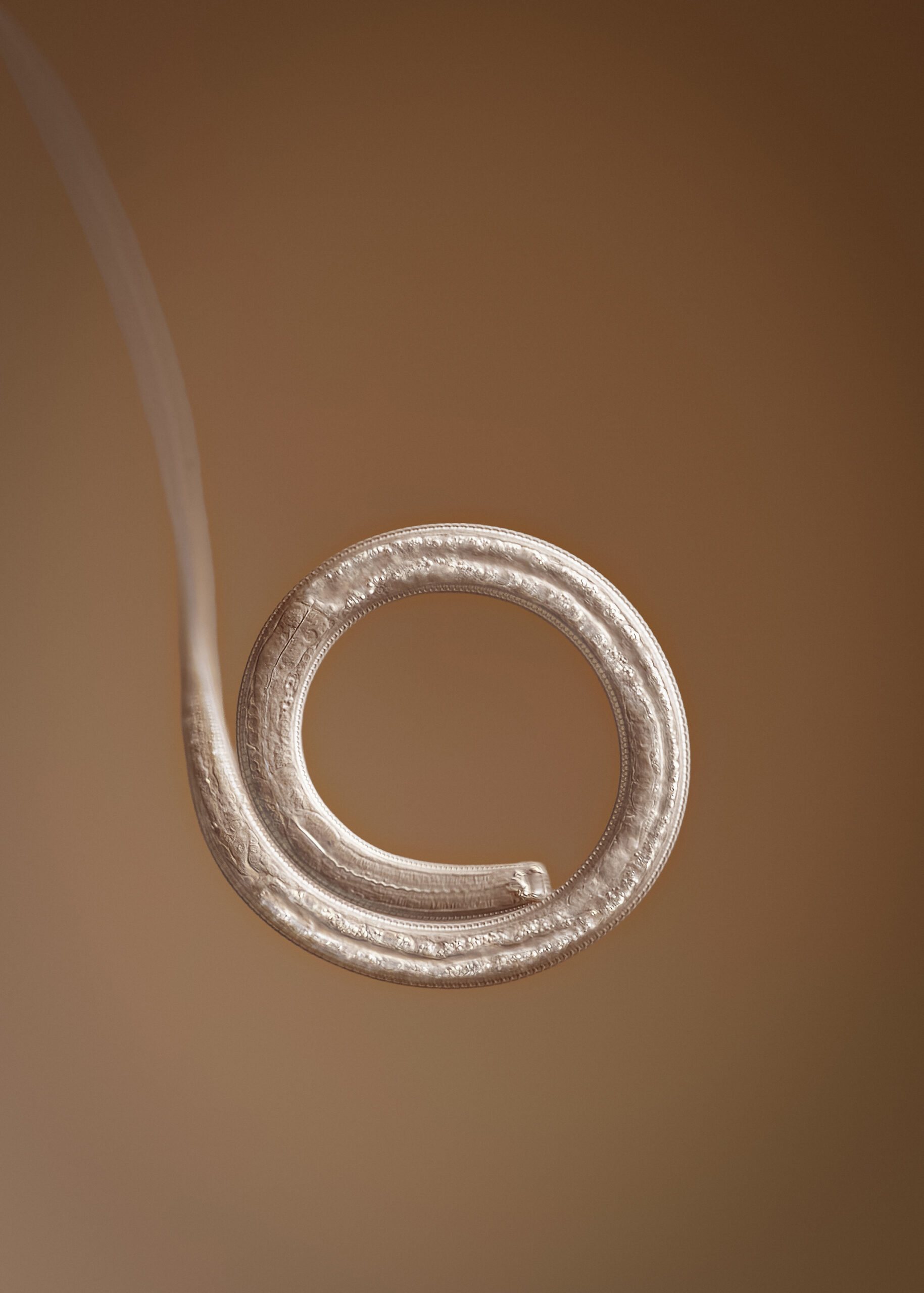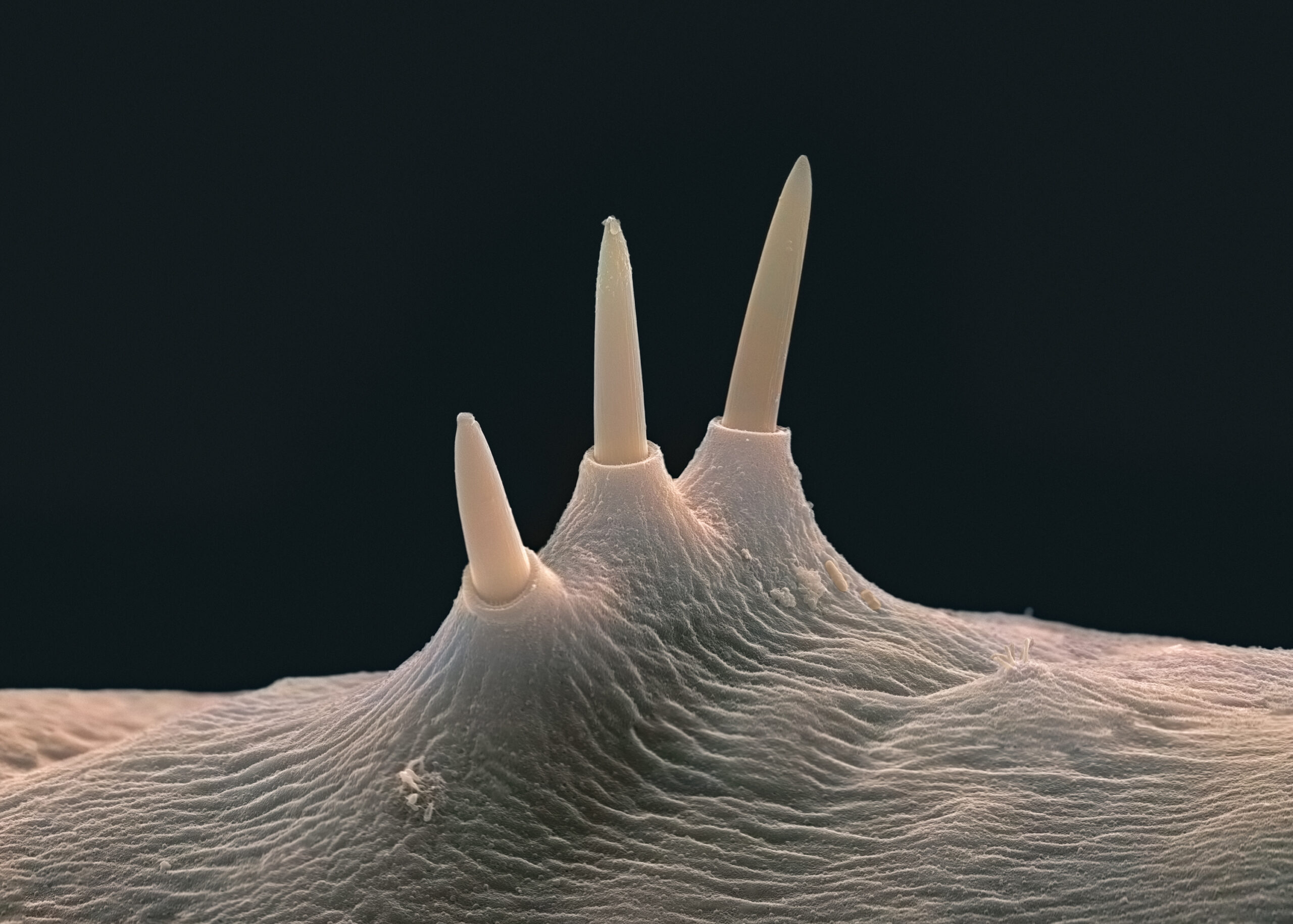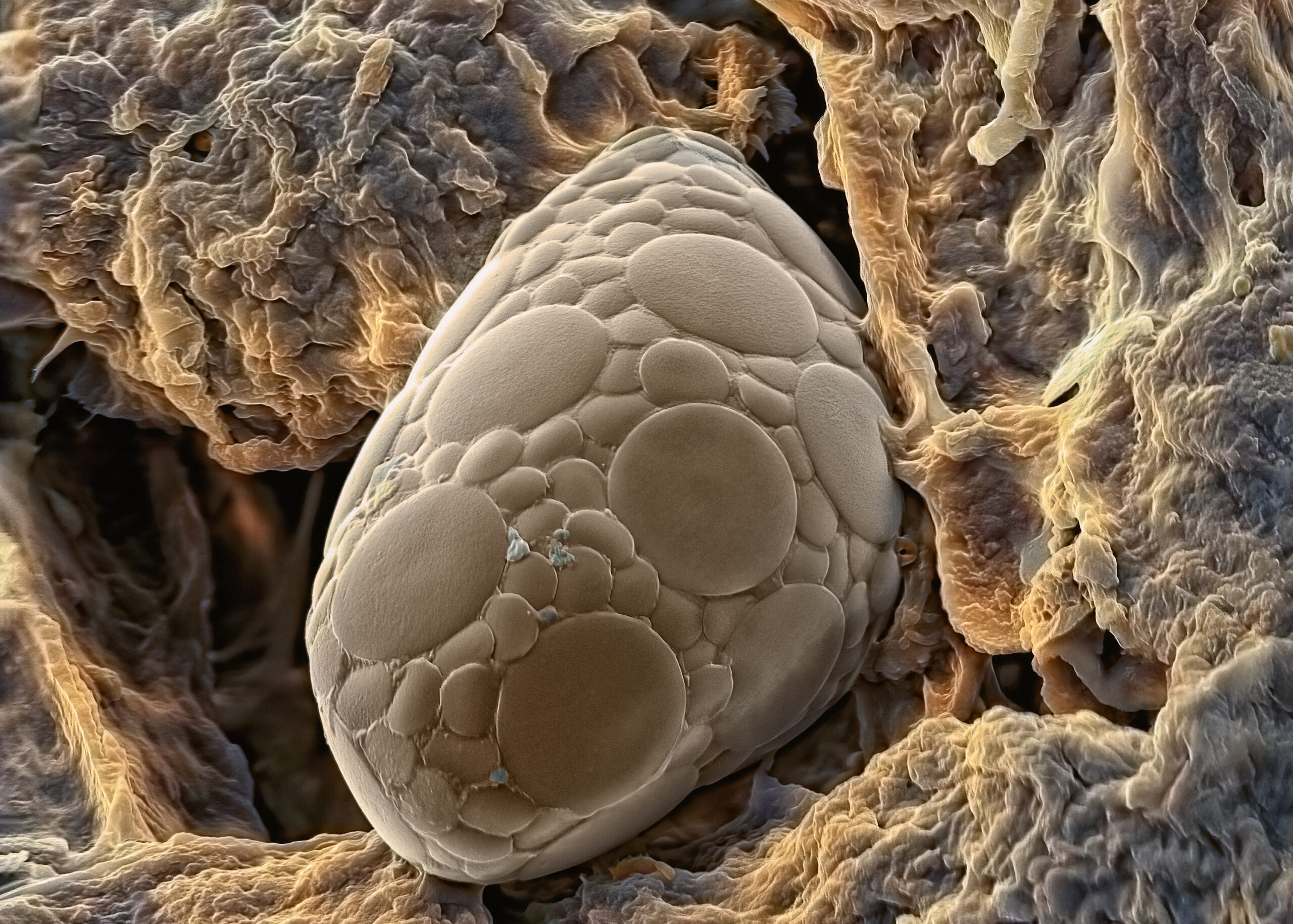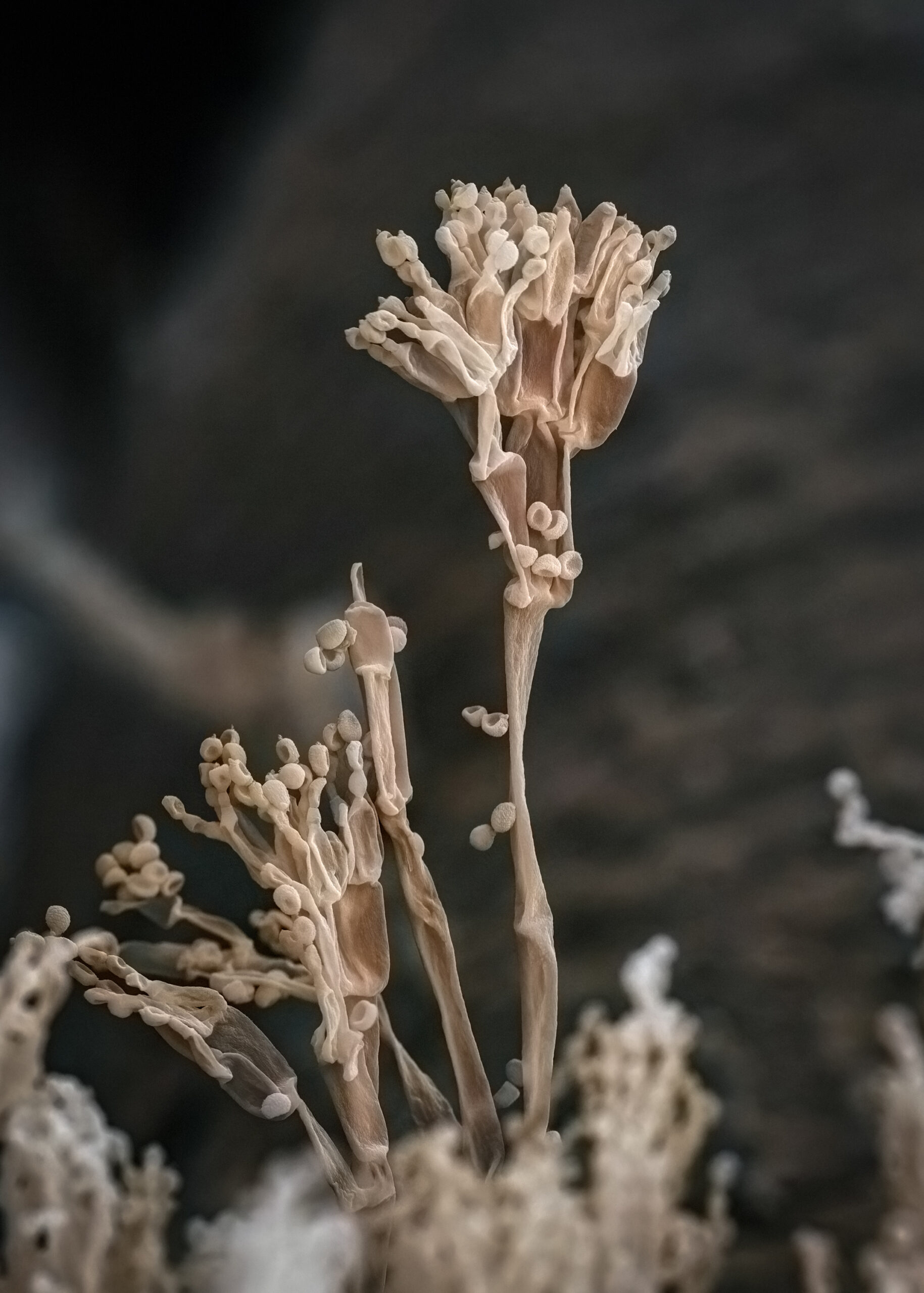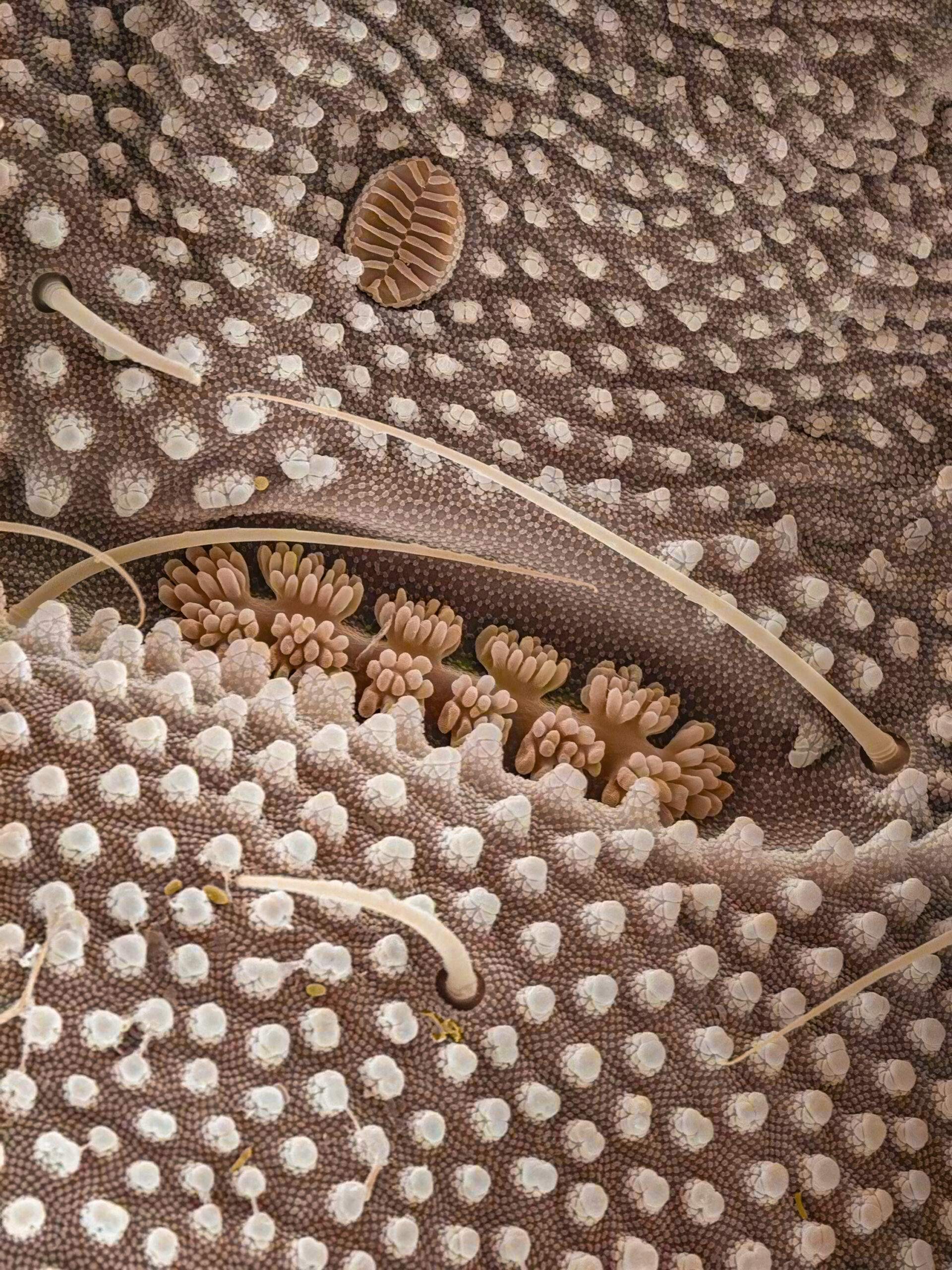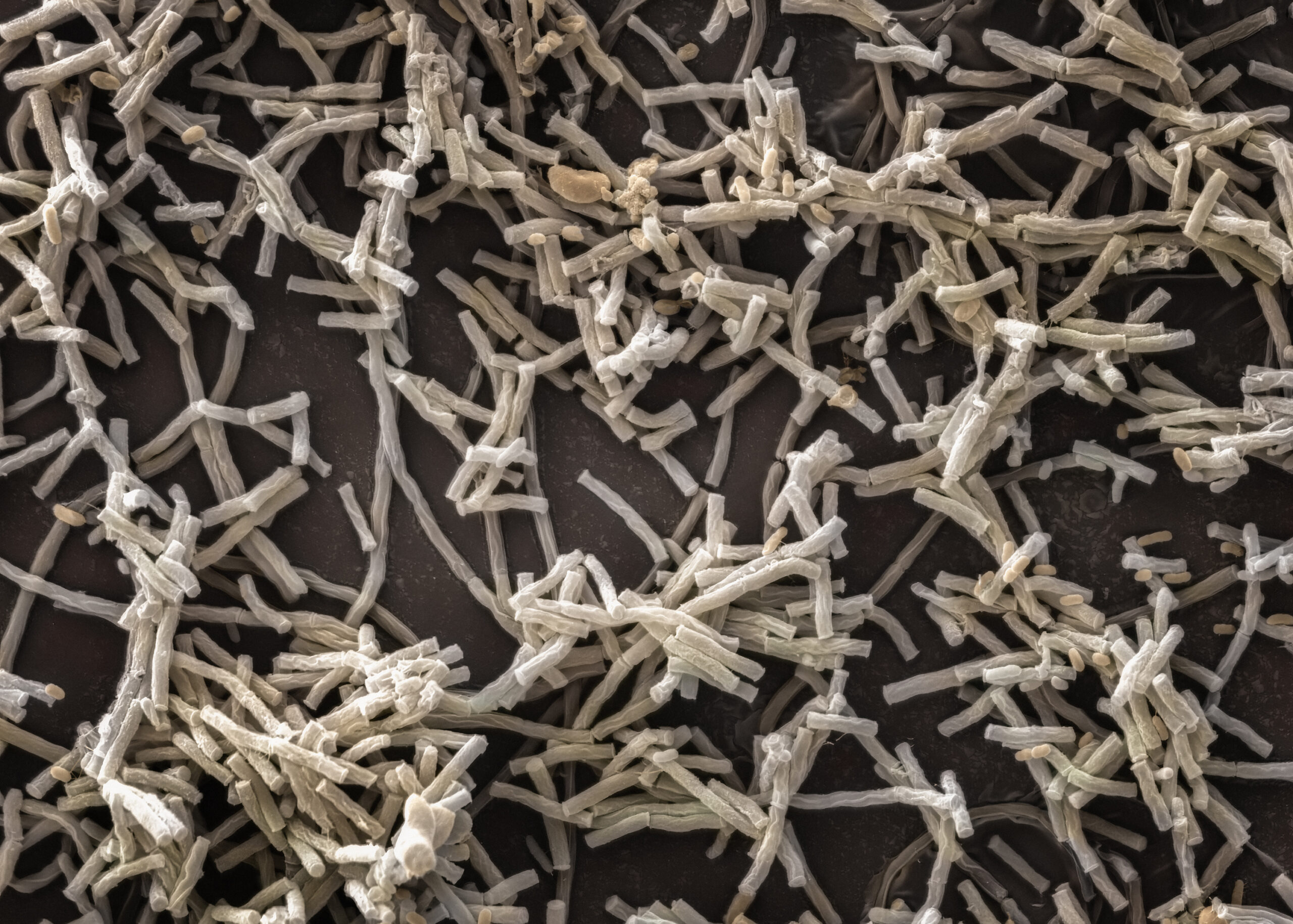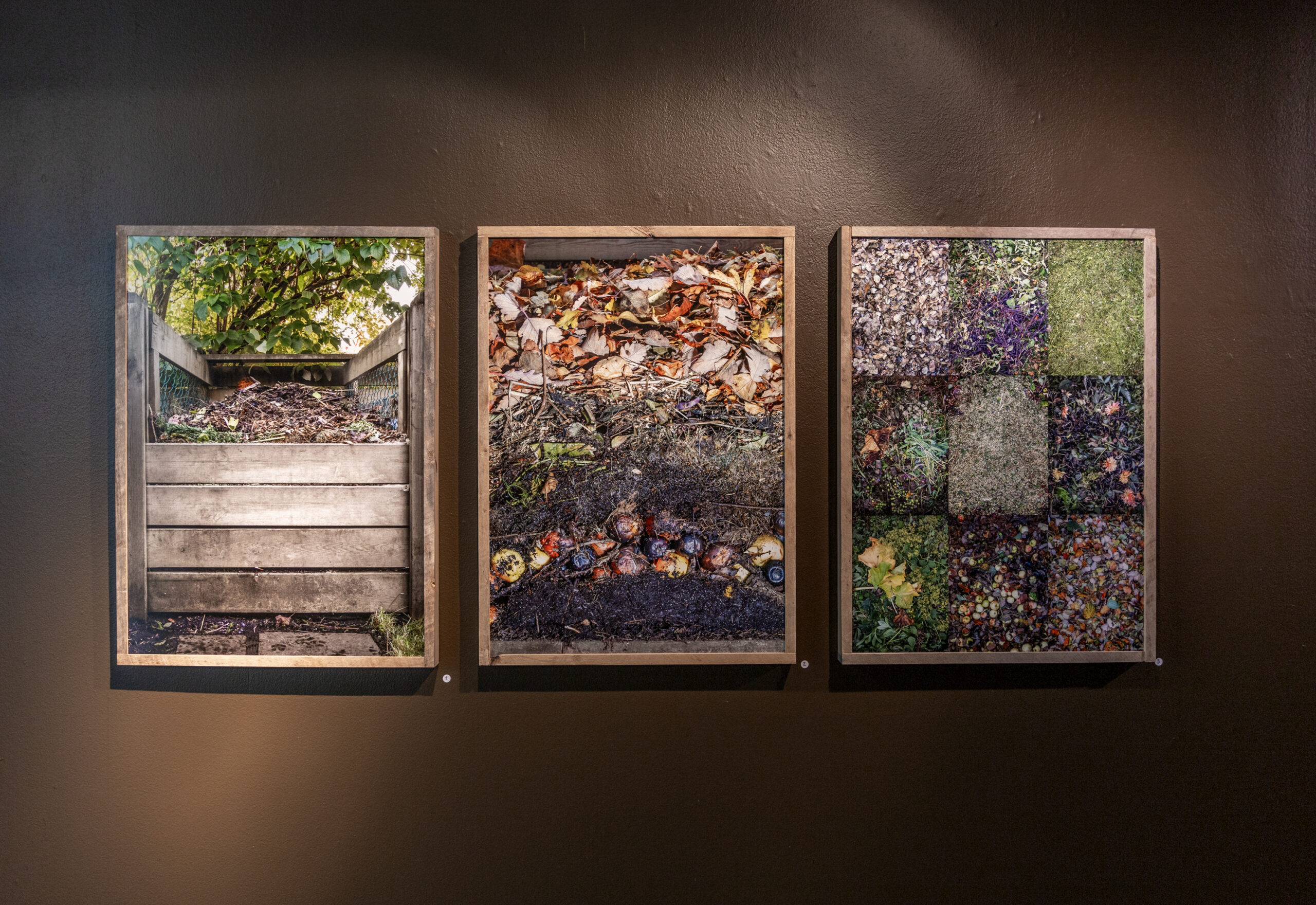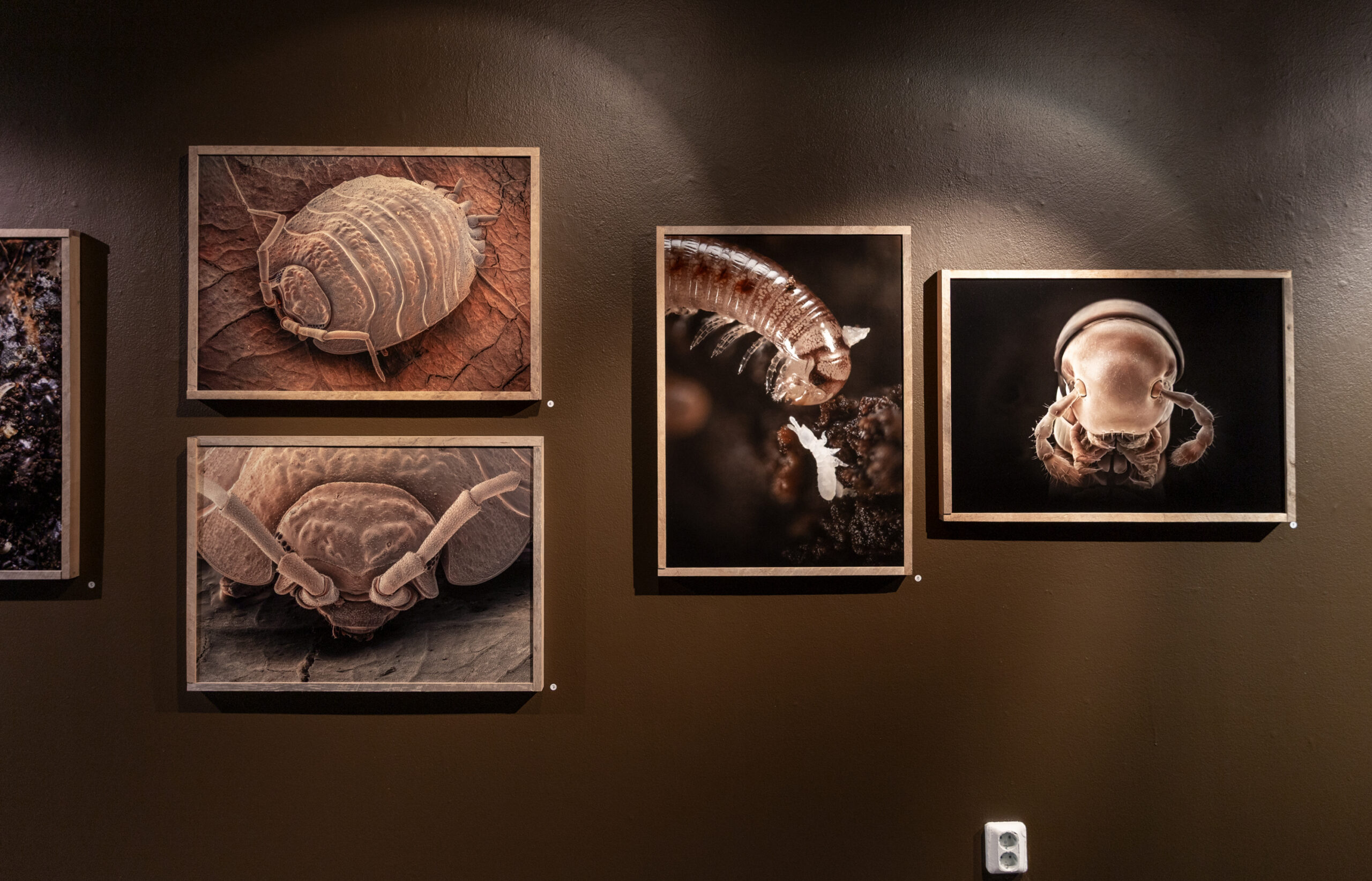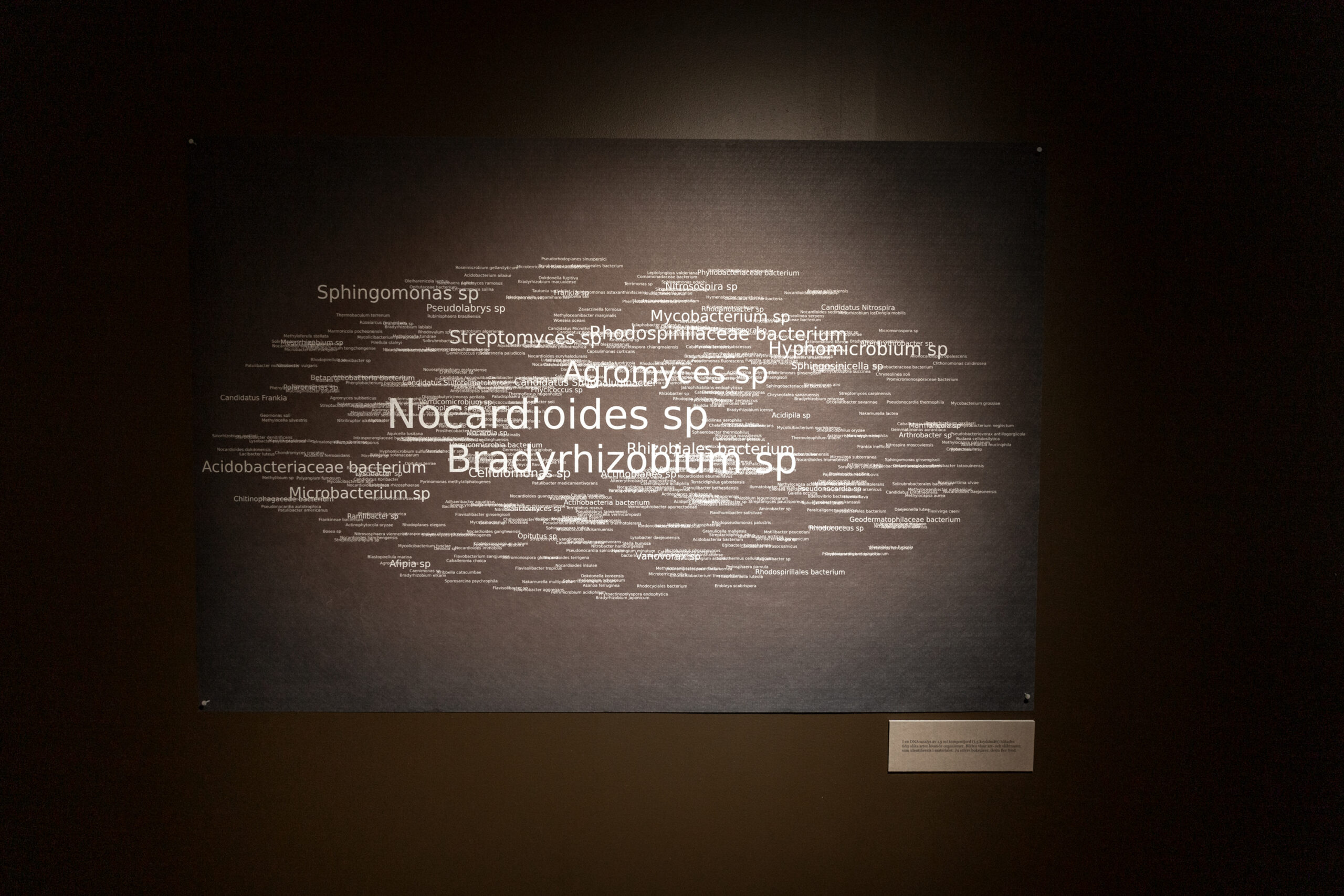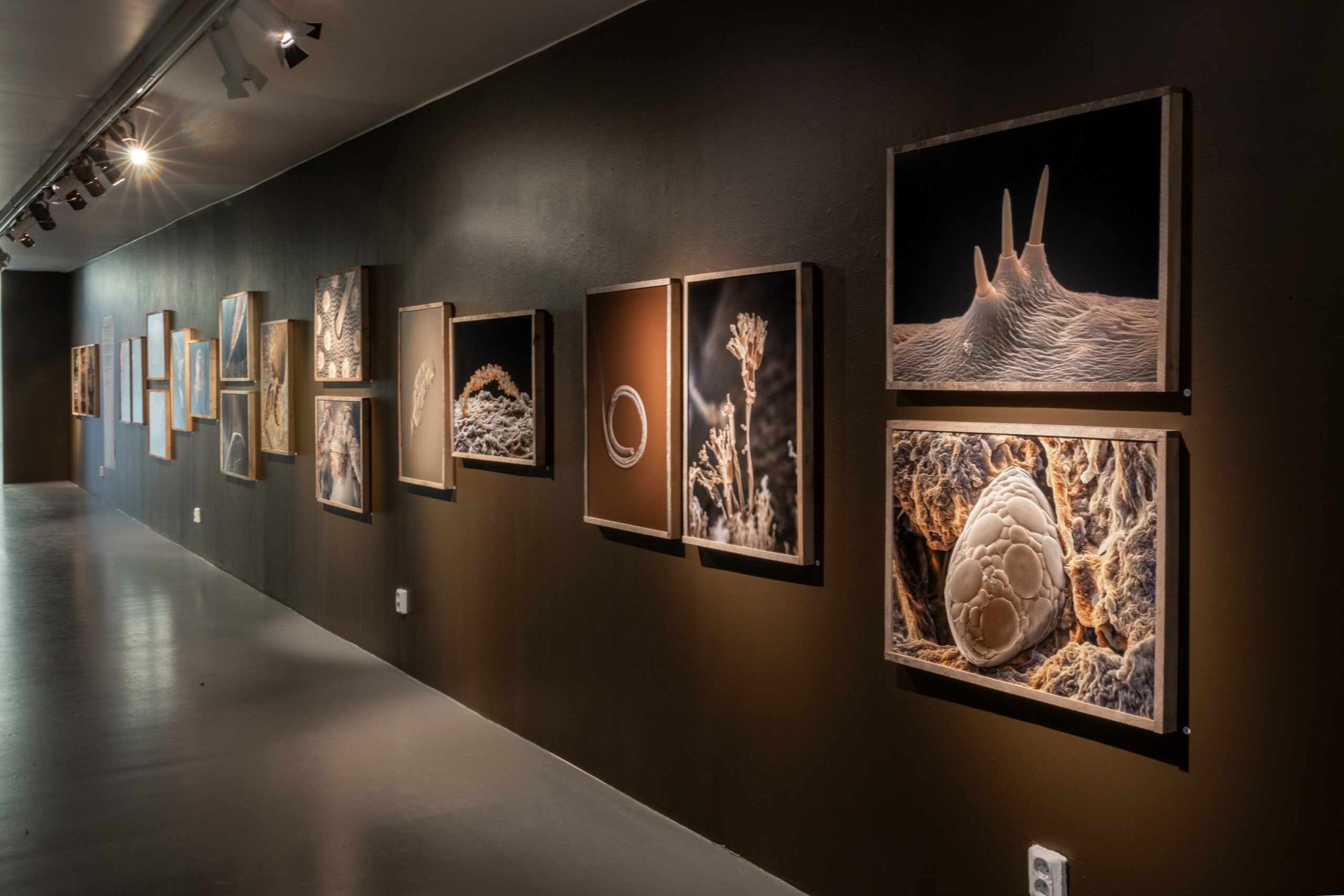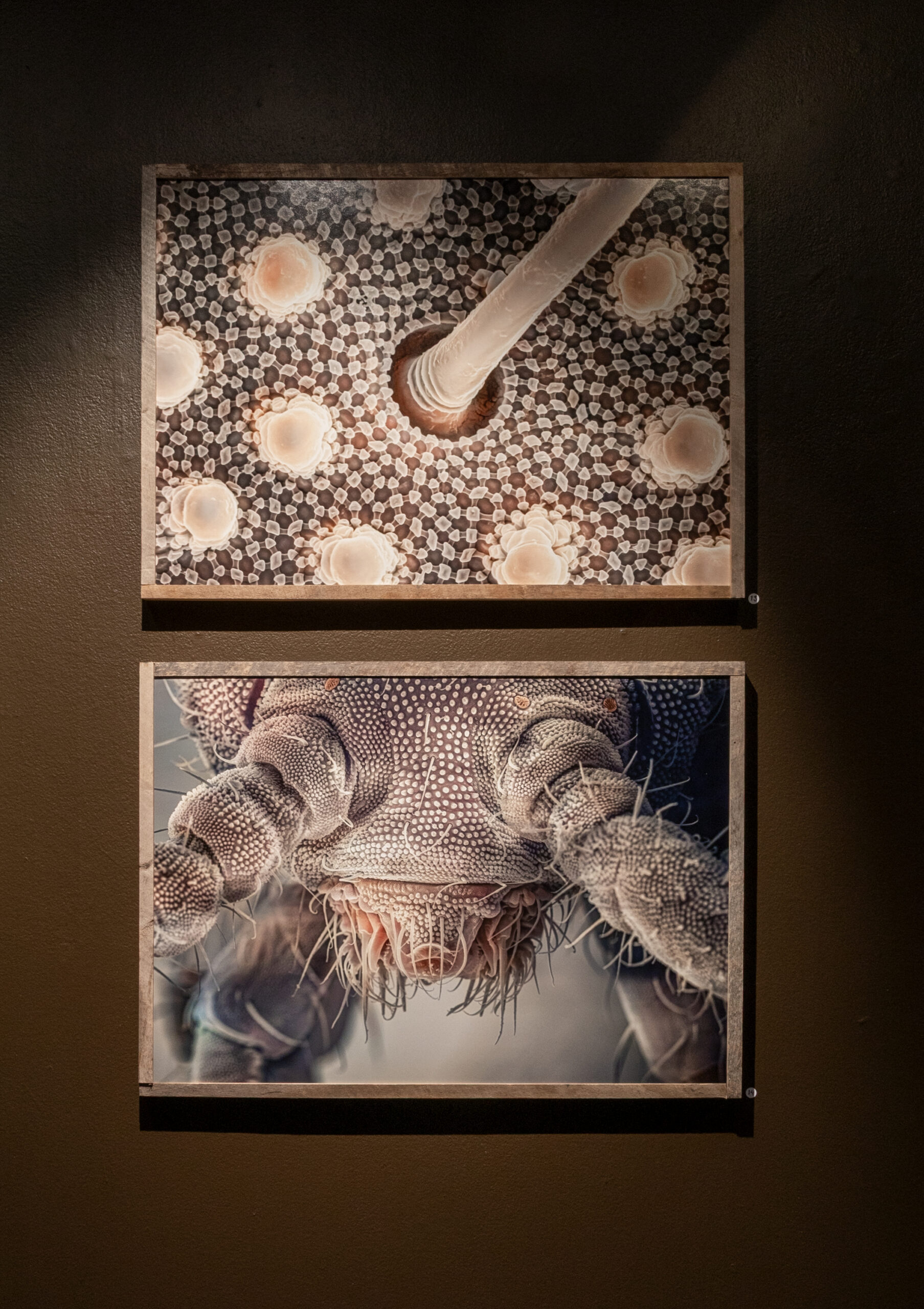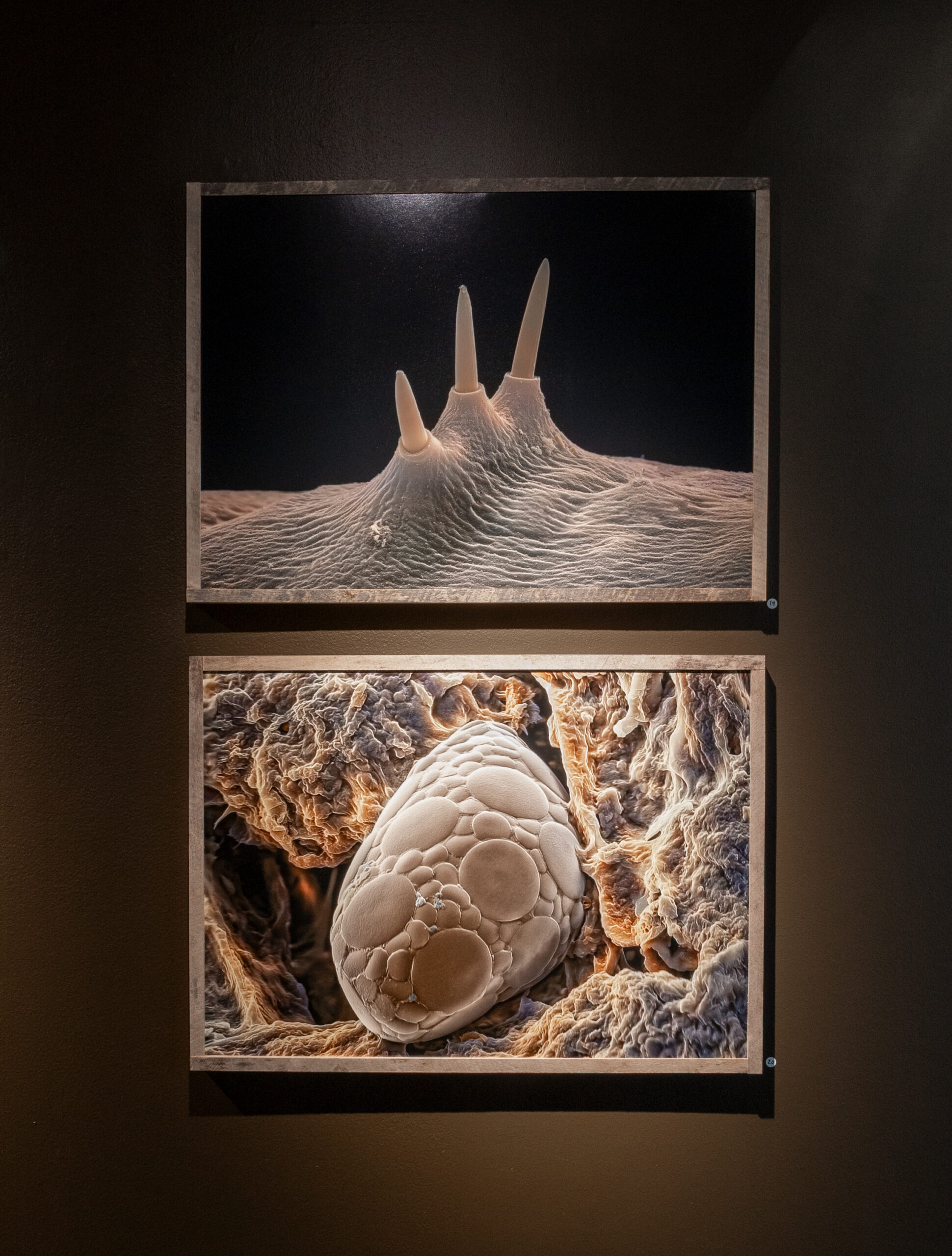
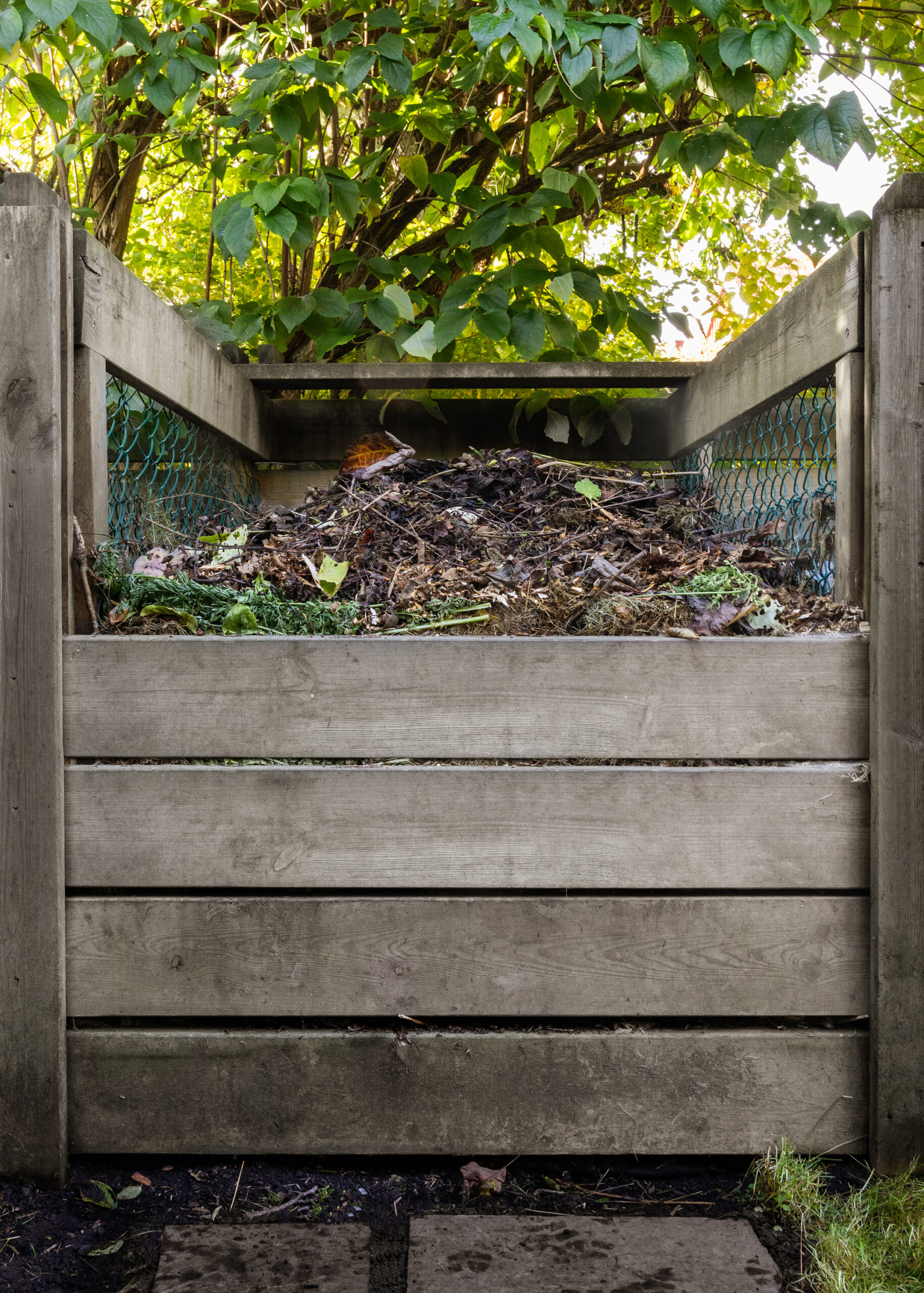
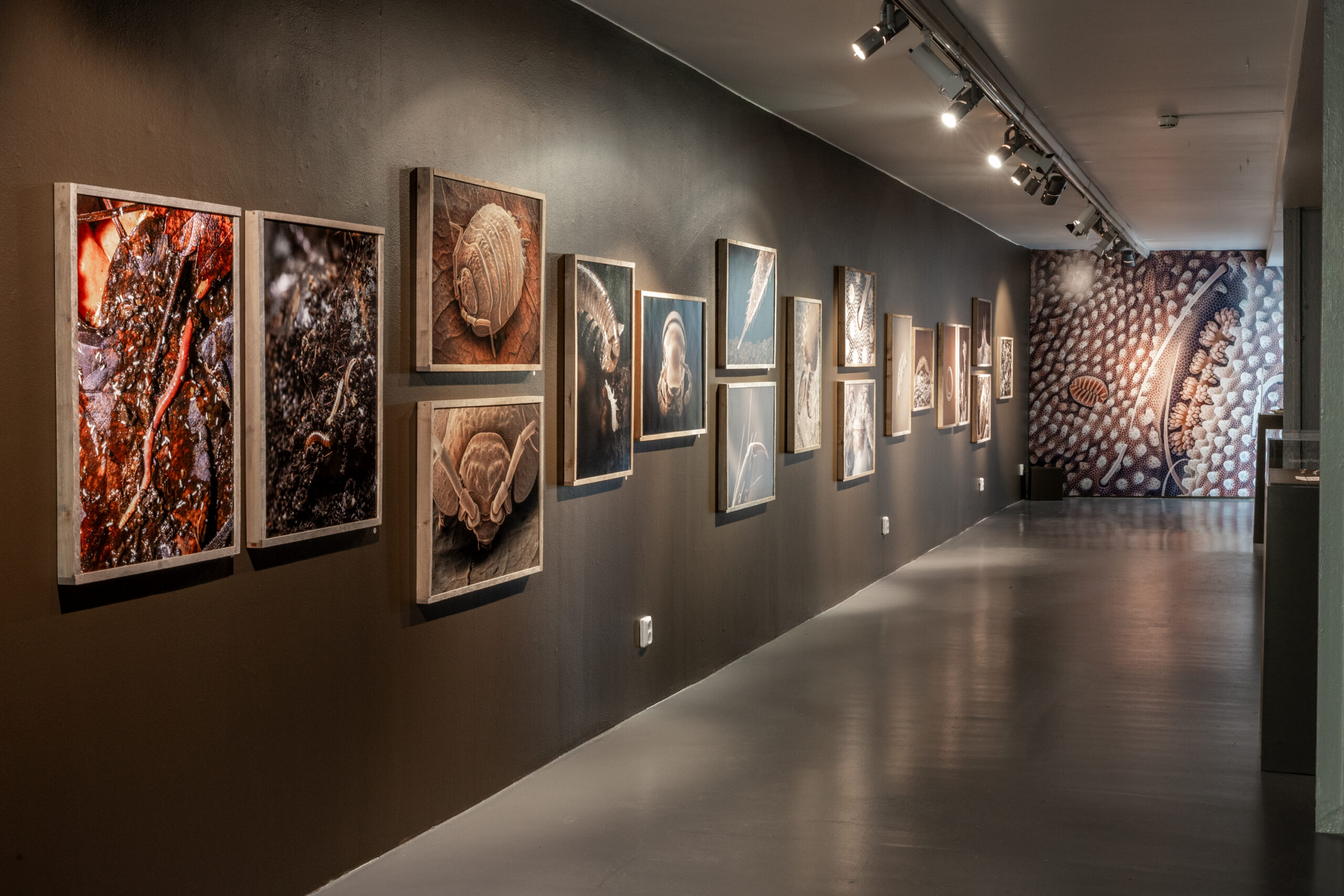
We know more about outer space than about the life beneath our feet.Compost – Metamorphosis is a close-up and in-depth study of the inner world of the garden compost. From garden waste to nutrient-rich soil in one year – who are the beings that live there, what do they look like, how many are they?
”A journey into my gardencompost, magnifying up to 16 000 times, together with microphotographer Håkan Kvarnström. In just one teaspoon of soil there can be several billion bacteria, which play a key role in the decomposition process”
Compost – Metamorphosis in exhibition
TheSoil
Soil is an utterly ordinary mystery — one most of us have forgotten to marvel at. A world of life and decay unfolding just beneath our feet. The soil and all its inhabitants hardly care about our movements above. Most of them are so small they can bear to be stepped on — far too small for our eyes to perceive. Earthworms, centipedes, and woodlice we can see, and perhaps avoid disturbing. But all the nematodes and amoebas? They require a more sophisticated kind of vision than evolution has granted us humans.Perhaps our limited sight explains why we fail to care for the soil more deeply? Or maybe it’s the very thought itself — that we depend entirely on something so messy, so murky, and so minuscule — that’s too hard to grasp. So we turn away, instead of letting ourselves be awed by how vital all that tiny life in the soil truly is. Especially for us up here.For without the compost’s teeming life, what do we really have? Everything depends on the ceaseless appetite of the very small — the endless search for more food to consume, more matter to decompose. The cycles of the soil intertwine seamlessly, and what was once alive decays. Given the right conditions, the earth allows every form of life to thrive, each in its own way, before giving life to the next.We humans, too, only borrow the riches of the soil for a while. If only we could see all that is happening underground, perhaps that thought might instead bring us hope — a sense of belonging:Imagine — we could not exist without the micro-life in the soil. No you, without the mycelium of the fungi. No me, without the interplay within the earth. None of us at all, without the soil’s tangle and mess.Everything is meant to be bound together in the soil, like when a seed falls into its embrace. The living soil’s moisture softens the seed coat, and its warmth stirs the seed to sprout. First a tiny root anchors it, then the shoot rises toward the surface. The soil’s lively metabolism makes nutrients available for this plant too. Perhaps it becomes a tomato plant, bearing heavy fruit — dark red tomatoes with deep furrows in their flesh. And you get to eat one.But perhaps the seed falls into poor soil — A soil stripped bare. Compacted. Completely dry and lifeless. Where autumn winds stubbornly sweep away the top layer, and spring rains carve rivers across the fields. A soil where machines churn the ground into dust. Soil exhausted by the same crop, year after year. Or perhaps it’s soil no longer cultivated at all — its vitality sprayed away by chemicals, its fungal mycelium withered by quick-fix fertilizers. A damaged soil.These are soils where humans have meddled too much — Where life has been forced to move out. Soils we’ve altered, without realizing it. Yes, we humans think far too little about the soil — about its existence, and our own.Do the citizens of the earth live as indifferent to us as we are to them? Just as many people live entire lives without ever thinking that one day, we too shall return to the soil — and become part of the humus once more.Or are they waiting patiently?– Maja Alskog Bredberg